
Counsels on Christian Worldview
Counsel #16 — The Sabbath in Dire Circumstances
Picture: Counsel #16 — The Sabbath in Dire Circumstances CCW 93.1
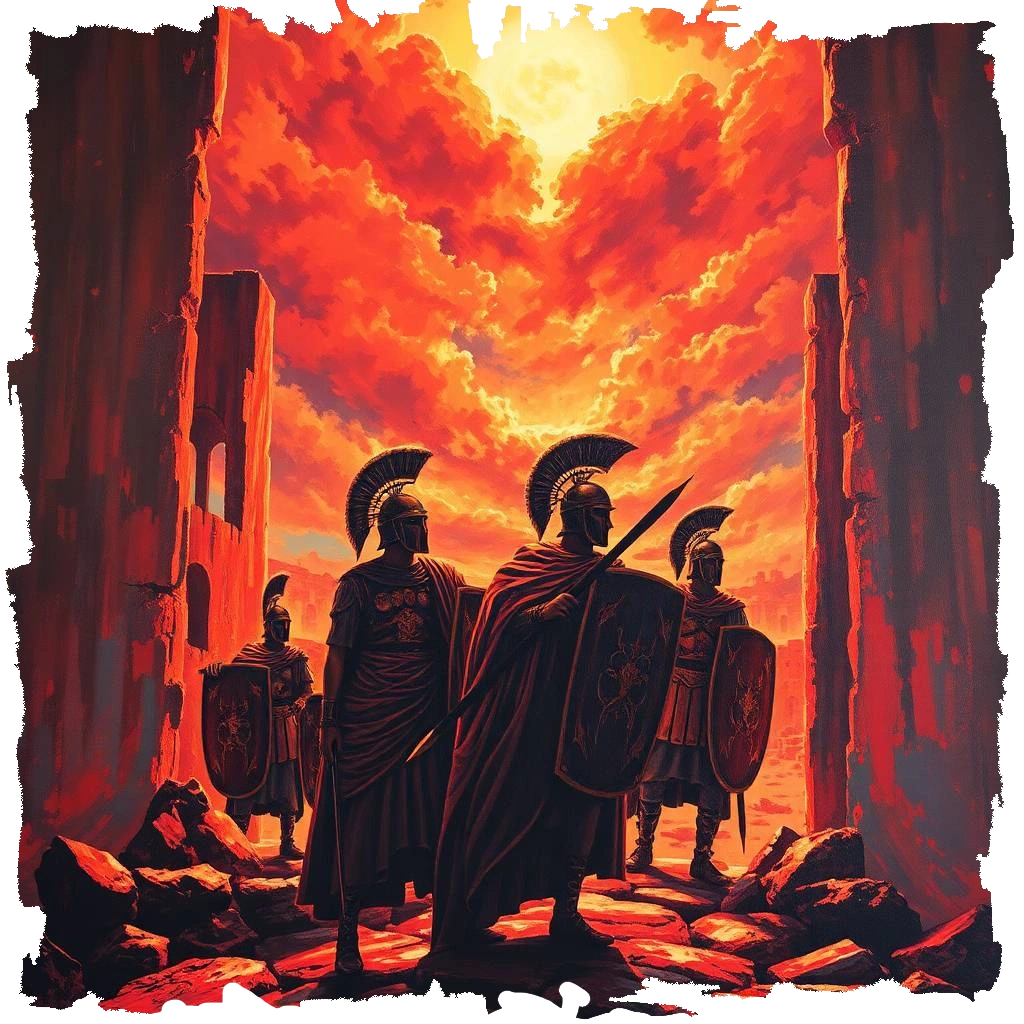
Jerusalem fell to Titus, a Roman General, in 70 AD. It was a tragic event for the Jewish nation. At the time, both Jews and Christians were keeping the seventh-day Sabbath. Forty years previous, in prophetic warning, Jesus told His disciples to “pray that your flight may not be in winter or on the Sabbath.”[136] Jesus’ instruction indicates that the Sabbath was still to be honored as a day of rest, even during a time of extreme distress and oppression. Despite impending persecution—even in matters of life and death, Christ underscored the importance of the Sabbath and keeping it holy. In good times and bad, all work, buying and selling, trading and commerce were to be declined on the seventh day. Regardless of the circumstance, honoring the Sabbath was paramount.[137] CCW 93.2
“… ‘When will the New Moon be past, That we may sell grain? And the Sabbath, That we may trade wheat? Making the ephah small and the shekel large, Falsifying the scales by deceit,” Amos 8:5 NKJV CCW 93.3
“He who made the Sabbath did not abolish it, nailing it to His cross. The Sabbath was not rendered null and void by His death. Forty years after His crucifixion it was still to be held sacred. For forty years the disciples were to pray that their flight might not be on the Sabbath day.” Ellen White in The Desire of Ages, p. 630 CCW 93.4
Reflect: Why did Christ tell His disciples to pray that their flight from Jerusalem would not be on the Sabbath? What does this reveal about the nature of the seventh day? CCW 93.5